Ditto
Local skill sharing for middle aged men
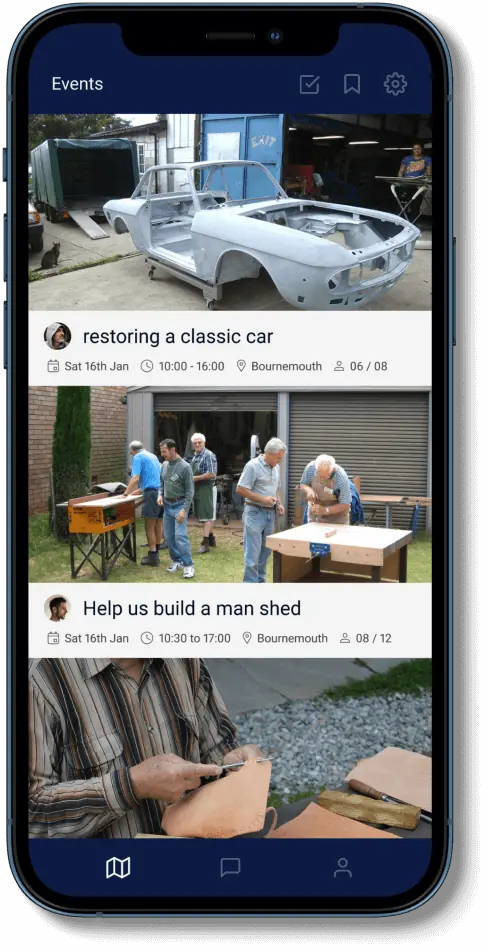
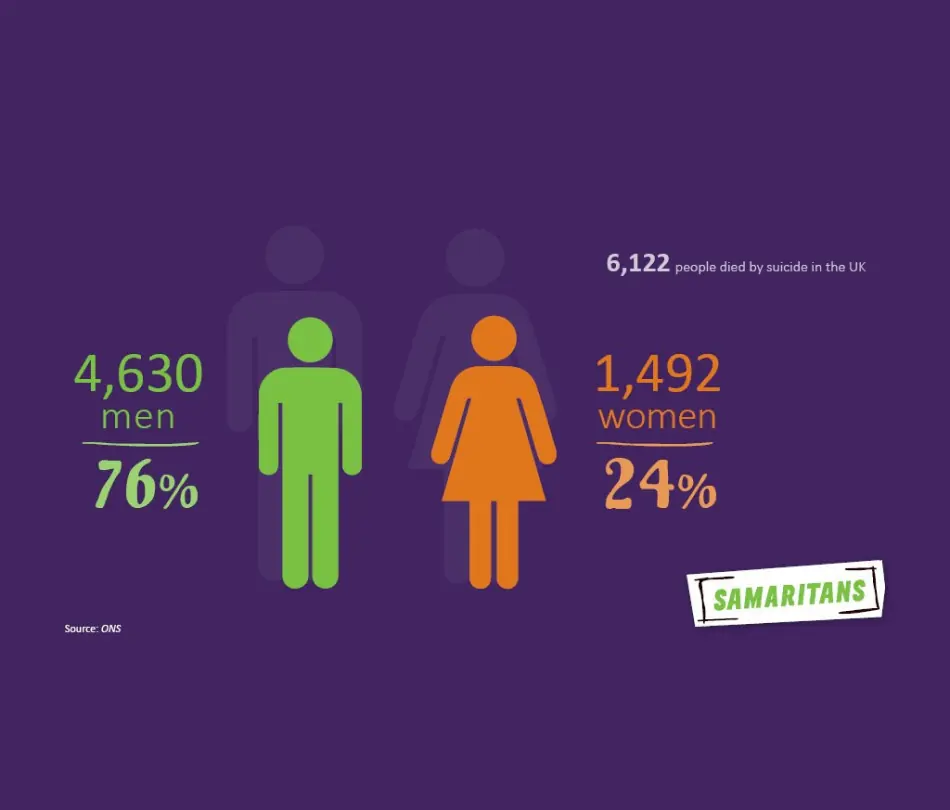
More than 15 people take their life each day in the UK, with middle aged men accounting for 12 of them. By collaborating with local experts and audiences, Ditto addresses the loneliness crisis of middle aged men with insights overlooked by current health services.
- Client
- RSA – Alone Together
- Industry
- Healthcare sector
- Role
- Branding, UX / UI
- Outcome
- University exhibition
01Design challenge
This project was for the Alone Together competition brief set by RSA. The brief asked us to identify an audience vulnerable to loneliness, and then design a way to reduce the impact of loneliness on that audience.

02Research & analysis
Most articles, campaigns, and charities relating to loneliness focus on the elderly and, more recently, young people. But from speaking with local health workers and charities I learnt that middle aged men are currently struggling with an ongoing loneliness crisis with severe consequences.

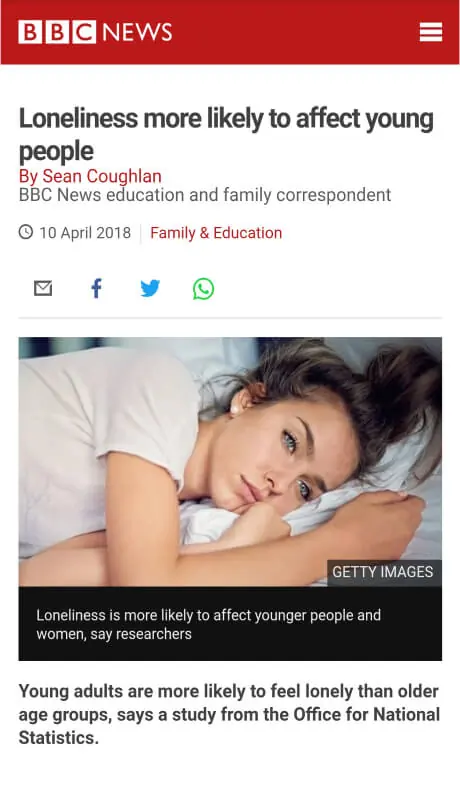

Studies suggest this is due to a combination of social stigma, inflexible healthcare services and financial hardship, leaving middle aged men susceptible to alcohol abuse, gambling and drug addiction. This has resulted in an abnormally high suicide rate among these men.

03Strategy & ideation
Wanting to learn more about the subject through user research, I went to the local pub for thoughts in exchange for a pint. Thinking I’d only get a few responses, I was surprised that everyone I spoke to was not only happy to complete my survey but to share their experiences.


With scribbled notes over the surveys, I tested my theory that practical skills could be the answer to their loneliness, as they met their goals and were a common interest. This led to the development of my final idea.

04Development & testing
I then organised my research into visual forms such as user personas, which helped inform my design decisions. This helped me fully understand the different types of men who suffer from loneliness and its impact on their lives.

The personas guided my final idea along with the development of user flows, wireframes and mockups. They helped me tailor the project to the needs and goals of the demographic as a whole, while making sure it catered to the wide range of individuals it needed to.

Because of the browsing habits and objectives of the audience, I wanted the user interface to be as functional and intuitive as possible. This informed my decisions for simple layouts, clear typography and iconography, with the content reflecting their various needs and goals.


By defining text styles and component types within Figma, an atomic design system helped with consistency, faster iterations, and producing the rest of the content. Finally, an interactive prototype was used to test navigation.


05Design solution
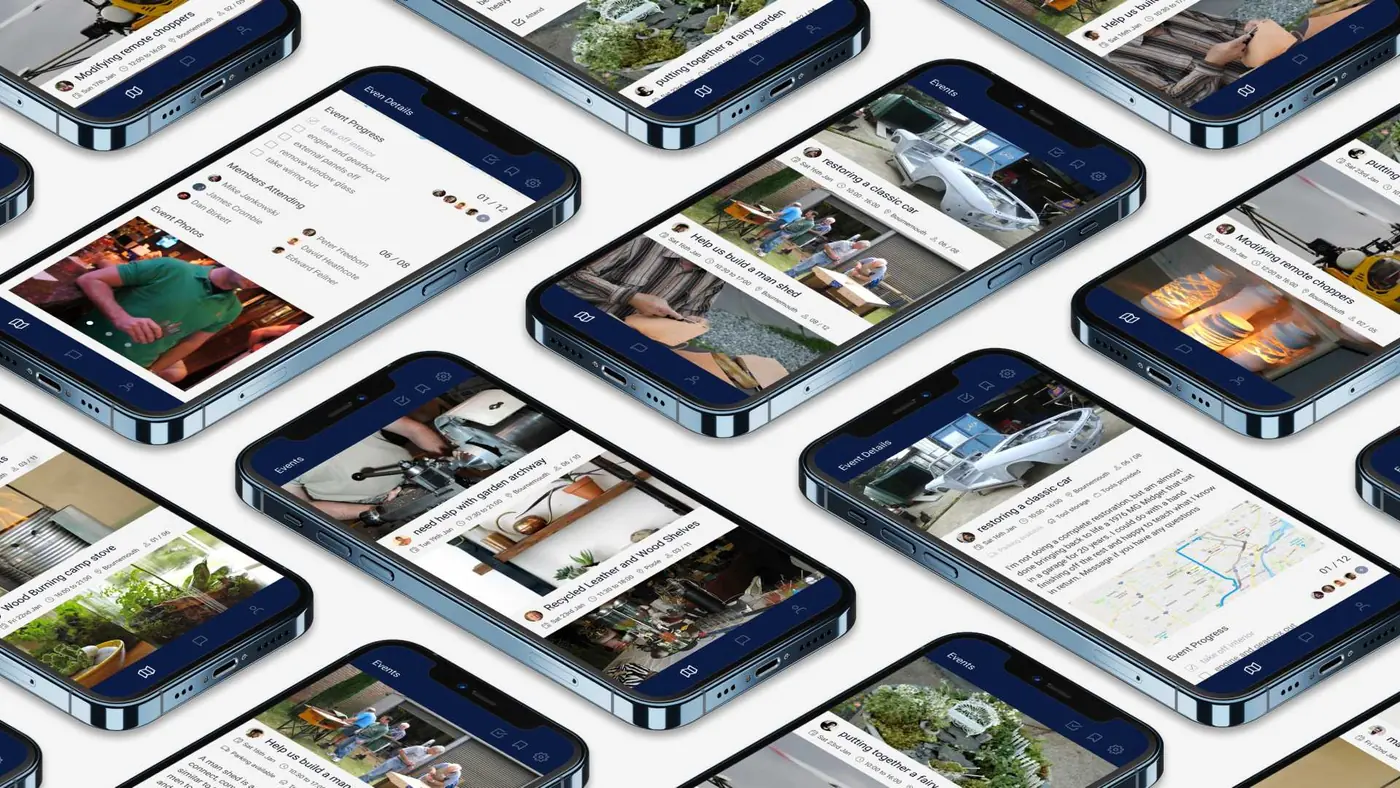
By collaborating with local audiences, charities and health workers, Ditto addresses the loneliness crisis of middle aged men with insights unused by current health services, as a new app that enables local skill sharing and community.


Ditto makes it easy for anyone to find, share, create and team up on local projects together. It helps people tackle the root causes of their loneliness with opportunities for income, new skills and local connections: a service that’s not only more approachable but flexible to the needs of its audience.


Ditto was selected to be part of an exhibition at Arts University Bournemouth, receiving praise from among the thousands of visitors. It also taught me the value of working with others and testing my ideas by speaking with a target audience.

Thanks for your time
Need help with a project or want to know more? View my portfolio or CV below.
Back to all work